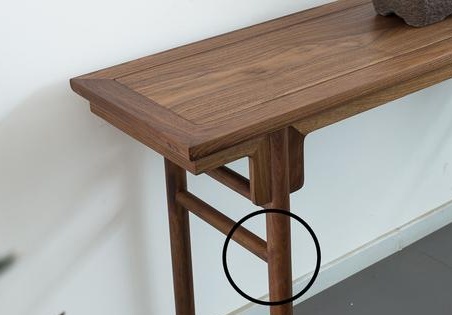
Mortise and tenon joinery is one of the oldest and most reliable methods for connecting two pieces of wood. In custom furniture, it is valued for high structural integrity, clean appearance, and predictable performance under long-term use. This article explains the technical foundations, design options, material considerations, and practical specifications for custom furniture built with mortise and tenon joints.
Fundamentals of Mortise and Tenon Joinery
Mortise and tenon joinery consists of two complementary components: a cavity (mortise) and a projecting tongue (tenon). The tenon is cut on the end of one workpiece and fits into the mortise in a mating piece. When properly dimensioned, aligned, and glued, this joint resists tension, compression, racking, and shear forces without requiring metal fasteners.
The joint is typically oriented so that loads are transferred through long-grain surfaces, maximizing glue bond strength and minimizing reliance on fasteners. Mechanical interlock and large glue surface area make mortise and tenon joints particularly suitable for chairs, tables, frames, and cabinets.
Key Components
- Mortise: Rectangular or sometimes round cavity cut into the receiving member.
- Tenon: Projecting tongue shaped to closely match the mortise size and shape.
- Shoulders: The faces of the tenoned piece that seat against the surface around the mortise, controlling alignment and gap-free appearance.
- Cheeks: The long-grain faces of the tenon that bond to the mortise walls with glue.
Precision in all four elements determines the final fit and strength. Even small deviations in squareness or thickness can reduce durability and visual quality.
Types of Mortise and Tenon Joints Used in Custom Furniture
Custom furniture makers select among several mortise and tenon variants depending on structural requirements, visible design, and manufacturing constraints. Each type has characteristic applications and performance considerations.
Through Mortise and Tenon
In a through joint, the tenon passes entirely through the mortised member and is visible on the opposite side. This configuration offers high strength and enables mechanical locking methods such as drawboring or wedging.
Typical use cases include heavy tables, benches, bed frames, and mission-style pieces where exposed joinery is acceptable or desired. Because the tenon end is visible, workmanship must be precise, and end-grain appearance should be carefully controlled.
Blind (Stub) Mortise and Tenon
In blind or stub joints, the tenon stops within the mortise and is not visible from the outside face. The mortise is usually slightly deeper than the tenon, leaving a glue pocket at the end. This is common in frame-and-panel doors, chair rails, and aprons where a clean exterior is required.
Proper depth allocation is important to avoid bottoming out the tenon and starving the glue line on the cheeks. The hidden nature of the tenon makes this joint suitable for refined cabinetry and fine furniture where visible joinery is minimized.
Haunched Mortise and Tenon
A haunched tenon includes a reduced-height extension (haunch) that fits into a shallow recess at the edge of the mortised member. This configuration is frequently used in narrow framing members such as door rails, where a full-height mortise would weaken the stile or interfere with a panel groove.
The haunch helps prevent twisting at the joint, maintains alignment of narrow members, and preserves material strength around panel grooves and edges.
Drawbored and Wedged Tenons
Some custom furniture emphasizes mechanical locking beyond glue. In drawbored joints, a peg is driven through the mortise and tenon with slightly offset holes, pulling the joint tight even without glue. In wedged joints, one or more wedges are driven into the end of the tenon to spread it inside a flared mortise or to visually lock a through tenon.
These techniques increase joint reliability in severe service conditions, such as heavy seating, outdoor tables, or furniture likely to experience repeated movement.
Design Parameters and Proportions for Mortise and Tenon Joints
Joint dimensions are critical to strength, longevity, and appearance. While exact values depend on specific loads and wood species, certain proportional guidelines are widely accepted.
Typical Dimensional Ratios
For rectangular mortise and tenon joints in solid wood, common reference values are:
| Parameter | Typical Range | Notes |
|---|---|---|
| Tenon thickness | 1/3 to 1/2 of stock thickness | 1/3 is common for most furniture rails and stiles |
| Tenon length | 2 to 5 times tenon thickness | Limited by member thickness and layout constraints |
| Tenon width | Up to 5 times tenon thickness | Longer tenons may be divided into two or more smaller tenons |
| Shoulder width | 2 to 5 mm (approx. 1/16" to 3/16") | Provides seating surface and clean visual line |
| Mortise wall thickness | >= 1/4 of stock thickness | Must resist splitting under load and during assembly |
In high-stress locations such as chair front legs, slightly conservative proportions are usually adopted, with thicker mortise walls and modest tenon length to avoid splitting.
Multiple Tenons and Twin Tenons
When wide rails or stretchers require more joint strength or when wood movement is a serious concern, multiple tenons may be used instead of a single wide tenon. Twin tenons divide the width into two narrower tongues with a small gap between, reducing the risk of cross-grain splitting and improving glue distribution.
This approach is common in large table aprons, wide door rails, and structural frames where load is high and member dimensions are substantial.
Material Selection for Mortise and Tenon Furniture
Performance of mortise and tenon joints depends strongly on wood species, moisture content, grain orientation, and compatibility with adhesives. When commissioning custom furniture, material choices should be matched to intended use and environment.
Hardwood Species
Dense hardwoods provide high bearing strength in the mortise walls and excellent long-term stability. Common choices include oak, maple, walnut, cherry, beech, and ash. Each species exhibits different internal friction, workability, and resistance to wear, influencing both machining parameters and joint longevity.
Hardwoods with straight, even grain produce more predictable mortise walls and tenon cheeks, reducing the risk of tear-out and helping to maintain tight tolerances.
Softwood and Engineered Materials
Softwoods can be used successfully when dimensional design compensates for lower density. Tenons may require increased thickness or length; mortise walls may need more generous thickness to resist crushing and splitting.
Engineered wood products such as plywood and some high-density composite boards can accept mortises, but the layered structure may limit tenon length and peg use. In high-stress furniture, solid wood is usually preferred at primary joint locations.
Moisture Content and Conditioning
Mortise and tenon joints require stable moisture conditions to maintain fit. Typical target moisture content for interior furniture ranges from 6% to 10%, depending on regional climate. Wood should be well-conditioned before machining, and the shop environment should be similar to the final installation environment as much as practical.
Unequal moisture between mortise and tenon components can cause joint loosening or splitting as materials equilibrate. Custom furniture workshops often maintain controlled humidity to minimize such issues.
Adhesives and Mechanical Reinforcement
Well-fitted mortise and tenon joints rely primarily on the glue bond between tenon cheeks and mortise walls. Selection of adhesive and any mechanical reinforcement depends on use conditions and assembly workflow.
Common Adhesive Types
Commercial custom furniture typically uses one of the following adhesive classes:
- PVA (polyvinyl acetate) wood glues for most interior furniture, offering strong bonds and moderate open time.
- Cross-linking PVA or aliphatic resin adhesives for improved water resistance in humid environments.
- Polyurethane or epoxy adhesives for situations requiring gap-filling capacity or higher moisture exposure resistance.
Adhesive choice affects clamping pressure, open time, and cleanup procedures. Tenon and mortise surfaces must be accurately machined to allow a glue line that is thin but continuous across the full bonding area.
Pegs, Drawbore Pins, and Wedges
Mechanical reinforcement is often specified for high-stress or heirloom-grade furniture. Options include:
Pegs: Wooden pins driven through the assembled joint, typically 6–10 mm in diameter, help resist withdrawal forces and offer visual detail.
Drawbore pins are installed through offset holes so that the peg pulls the joint closed. Wedges in through tenons add mechanical spreading action inside a flared mortise. Both techniques allow joints to remain secure even if adhesive properties change over time.
Applications in Custom Furniture Categories
Mortise and tenon joinery appears throughout custom furniture categories where strength and alignment are critical. The design of each joint is adapted to the specific loading pattern and aesthetic requirements of the piece.
Tables and Work Surfaces
Table legs and aprons commonly rely on mortise and tenon joints to resist racking and lateral loads. Stretchers between legs may also be joined with tenons, sometimes with drawbore pegs or through-tenon details for additional security.
Designers consider the anticipated loads, table span, and leg cross-section when specifying tenon dimensions. For large dining tables, double tenons or intermediate stretchers may be used to control deflection and movement.
Chairs and Seating
Chair construction imposes complex loads, including dynamic stresses and leverage forces on joints between legs, rails, and back components. Mortise and tenon joints are standard for critical locations such as:
Front and rear legs to seat rails, back legs to crest rails and splats, arm supports to arm rests and back posts. In many high-quality chairs, nearly all primary frame intersections use tenon-based joinery.
Because of the demanding use, makers frequently rely on tighter tolerances, optimized glue selection, and mechanical reinforcement in these joints.
Cabinets, Sideboards, and Storage Units
In cabinets and sideboards, mortise and tenon joints are often used in doors, face frames, internal frames, and base structures. Blind tenons and haunched tenons help maintain clean door margins and stable frame-and-panel assemblies.
When combined with panel grooves and back panels, these joints contribute to an overall structure resistant to twisting and long-term sagging.
Manufacturing Methods and Equipment
Custom furniture makers combine traditional hand tools and modern machinery to produce accurate mortise and tenon joints. The chosen method depends on production volume, tolerance requirements, and workshop capabilities.
Hand Tool Methods
Traditional construction uses hand saws, chisels, and marking gauges to create mortises and tenons. While slower than machine methods, hand tool work allows fine control over fit and can be adapted to complex or curved components.
Marking with a mortise gauge, chopping the mortise with chisels, and cutting the tenon cheeks with a tenon saw remain standard techniques in small workshops and restoration work.
Machine-Based Production
Modern workshops use equipment such as hollow-chisel mortisers, slot mortisers, routers with jigs, table saws, and tenoning machines. For larger production runs, dedicated mortise-and-tenon machines or CNC routers provide repeatable accuracy and expanded design options.
Regardless of method, factors like spindle speed, feed rate, and cutter geometry affect mortise wall finish and dimensional tolerance. Clean, parallel mortise walls and accurately dimensioned tenon cheeks are necessary for consistent performance.
Fit, Tolerance, and Assembly Considerations
Joint fit is central to performance. A tenon that is too tight risks splitting the mortised member during assembly, while a loose tenon reduces glue contact and stiffness. Custom furniture makers adjust tolerances based on wood species, humidity, and adhesive properties.
Dry Fitting and Adjustment
Before gluing, components are dry-fitted to verify full insertion depth, shoulder contact, and alignment with surrounding parts. Adjustments are made by lightly paring tenon cheeks or tuning mortise walls. Close attention is paid to:
- Gap-free shoulders for clean appearance and precise geometry.
- Full-depth engagement without bottoming out the tenon.
- Freedom from twisting or binding during insertion.
In high-precision work, minor adjustments are performed incrementally to avoid over-removal of material.
Clamping and Glue-Up Strategy
During glue-up, clamping pressure should be sufficient to seat shoulders fully without crushing fibers or forcing out too much adhesive. Clamping layout is planned in advance, especially for complex assemblies such as chairs where multiple tenons must be aligned simultaneously.
Open time of the chosen adhesive must be matched to assembly complexity. Some shops use staggered glue application or partial subassembly strategies to ensure each joint is properly clamped within the workable time window.
Performance, Durability, and Maintenance
Properly designed and executed mortise and tenon joints provide long service life with minimal maintenance. Factors influencing performance include joint design, material stability, exposure conditions, and usage patterns.
Load Capacity and Structural Behavior
Mortise and tenon joints carry loads primarily through compression and shear across the tenon cheeks and surrounding mortise walls. Shoulders help distribute surface loads and control visible geometry. When proportioned correctly, the joint often outlasts other components such as panels or finishes.
In seating, racking loads and lateral forces are critical. Multiple joint directions in chair frames ensure that load is shared among several mortise and tenon connections, increasing safety and longevity.
Environmental Effects and Long-Term Stability
Wood’s response to humidity changes can affect joint tightness over time. Good design anticipates seasonal movement, orienting grain and joint geometry to minimize stress concentration. For example, wide rails joined to legs may allow for panel movement while keeping the mortise and tenon region stable.
Routine care includes maintaining appropriate indoor humidity ranges and avoiding prolonged exposure to moisture. If movement-induced gaps appear at shoulders, they are often cosmetic rather than structural, provided the internal tenon remains sound.
Specifying Custom Furniture with Mortise and Tenon Construction
Clients commissioning custom furniture can specify joinery methods to achieve particular structural and aesthetic outcomes. Clear documentation of requirements ensures alignment between client expectations and workshop practices.
Technical Specifications to Communicate
Effective project specifications may include:
Preferred joinery type (through, blind, haunched, wedged, or drawbored), wood species and grade, anticipated loading conditions (for example, daily use dining chairs vs. occasional accent tables), and visual preferences regarding exposed or concealed joinery.
Additional points can include desired finish system, target moisture content for delivery, and any special requirements regarding future disassembly or repair access.
Inspection and Acceptance Criteria
Upon delivery, inspection criteria for mortise and tenon furniture might cover:
- Shoulder lines straight and tight with minimal visible gaps.
- Components square and stable when placed on a flat surface.
- No visible splitting or fiber crushing around mortise locations.
Functional tests, such as moderate racking of a table or controlled rocking of a chair, help confirm joint integrity without overstressing the furniture.
Common Issues, Limitations, and Practical Considerations
Mortise and tenon joinery offers high performance but requires care in design and execution. Awareness of potential issues helps prevent problems and sets realistic expectations.
Typical Issues Encountered
Common practical difficulties include:
Splitting around mortises when walls are too thin or when assembly force is excessive, loose joints caused by over-machining or inadequate fit control, misalignment of shoulders resulting in twist or visible gaps, and insufficient glue coverage when joints are too tight or assembly is rushed.
These issues are addressed through careful proportioning, accurate machining, proper moisture control, and thorough dry fitting prior to glue-up.
Limitations Compared with Other Methods
Mortise and tenon joinery often requires more labor and equipment than simpler mechanical fastener systems. It may not be ideal for extremely thin sections or designs where material thickness cannot support adequate mortise wall strength.
However, for solid-wood custom furniture subject to repeated use, the predictable behavior, clean appearance, and long service life of well-made mortise and tenon joints frequently justify the additional production time.
| Joinery Method | Relative Strength | Visibility | Typical Use Case |
|---|---|---|---|
| Mortise and Tenon | High | Concealed or decorative, depending on type | Tables, chairs, frames, structural cabinet parts |
| Dowels | Moderate | Concealed | Cabinet carcasses, light frames |
| Domino/loose tenon | High (when well proportioned) | Concealed | Medium to high-load joints, efficient production |
| Butt joint with screws | Low to moderate | Often visible or requires covers | Low-load or non-structural components |
Summary
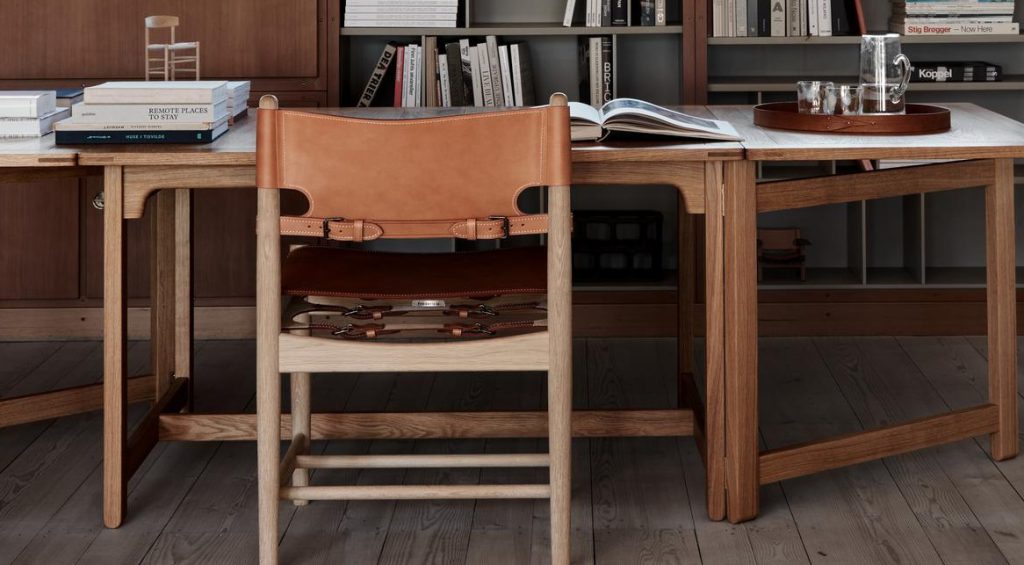
Mortise and tenon joinery remains a core technique in high-quality custom furniture because it balances structural reliability, dimensional stability, and refined appearance. By understanding joint types, proportion guidelines, material behavior, adhesive selection, and practical assembly strategies, both makers and clients can specify furniture that meets demanding requirements for strength and longevity.
When evaluating or commissioning custom pieces, attention to this joinery method provides a reliable indicator of overall construction quality and long-term value.