Overview of Wood Furniture
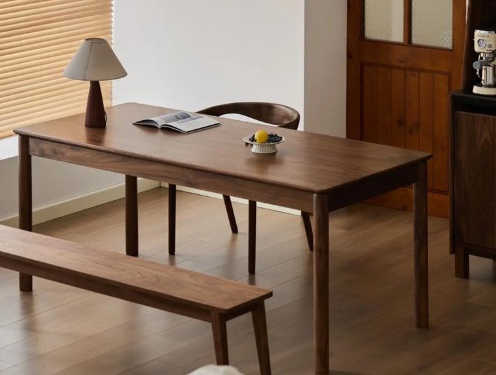
Wood furniture covers all functional and decorative items manufactured primarily from timber and wood-based products, including solid wood, veneers, and engineered wood. It is used in residential, commercial, and institutional environments for seating, storage, work surfaces, and display. The technical performance of wood furniture depends on the selected species, construction method, surface treatment, and the environmental conditions in which it is used.
From a specifications perspective, wooden furniture is evaluated by its load-bearing capacity, dimensional stability, resistance to impact and abrasion, resistance to moisture and temperature variation, and its compatibility with hardware such as hinges, drawer slides, and fasteners. Standardized laboratory tests and industry guidelines are often applied to assess its performance across these parameters.
Key Categories of Wood Furniture
Wood furniture can be categorized by function, location of use, and construction approach. Each category follows different dimensional, structural, and surface requirements.
Indoor Residential Furniture
Indoor residential wood furniture includes beds, wardrobes, cabinets, tables, chairs, shelving, and storage units. These products prioritize ergonomics, appearance, and compatibility with interior climate conditions. They typically operate in relative humidity ranges of 35–65%, with moderate mechanical loads and limited UV exposure.
Office and Commercial Furniture
Office and commercial wooden furniture encompasses workstations, conference tables, reception counters, storage systems, and seating components. These require higher durability against repetitive use, abrasion, and impact. Cable management, modularity, and compliance with fire and safety regulations are often considered during design and material selection.
Outdoor and Garden Furniture
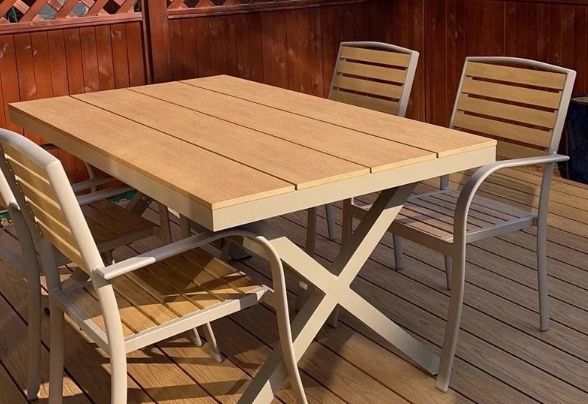
Outdoor wood furniture includes benches, tables, loungers, and deck accessories. These products must withstand rain, solar radiation, temperature swings, and biological agents such as fungi and insects. As a result, more durable species or preservative treatments are typically used, and surface finishes must allow for water shedding and UV resistance.
Types of Wood Used in Furniture
Wood species and wood-based products are selected based on mechanical strength, workability, cost, availability, and visual appearance. The choice directly influences durability, finishing options, and maintenance requirements.
Hardwood Species
Hardwoods originate from broadleaf trees and usually offer higher density and strength values. Common hardwoods used in furniture include oak, maple, walnut, cherry, beech, ash, and teak.
- Oak: High density, pronounced grain, good bending strength, widely used for tables, chairs, and flooring-compatible items.
- Maple: Fine, tight grain, high abrasion resistance, suitable for worktops and cabinetry.
- Walnut: Medium to high density, rich color, often used for high-end furniture and visible components.
- Beech: Good impact resistance and bending properties, frequently used in chairs and structural frames.
- Teak: High natural oil content and durability, common in outdoor furniture and marine-related applications.
Hardwoods typically provide better screw-holding capacity and dent resistance compared to many softwoods, allowing for long-term stability in joinery.
Softwood Species
Softwoods derive from coniferous species such as pine, spruce, fir, and cedar. These woods are generally lighter in weight, easier to machine, and often more economical.
- Pine: Widely used, relatively soft, accepts stain and paint readily, common in budget and rustic furniture.
- Spruce and Fir: Often used in structural components, frames, and core materials for veneered panels.
- Cedar: Naturally aromatic and decay resistant, used in closets, chest interiors, and some outdoor items.
Softwoods may require surface hardening finishes or protective coatings where higher wear or impact is expected. Their lower density can be advantageous in furniture that must be moved frequently.
Engineered Wood Products
Engineered wood utilizes wood fibers, particles, or veneers bonded with adhesives under heat and pressure. It offers dimensional stability and efficient material usage.
- Plywood: Cross-laminated veneers providing high strength-to-weight ratio and reduced warping. Frequently used for chair shells, cabinet boxes, and structural panels.
- Medium Density Fiberboard (MDF): Homogeneous fiber panel with smooth surface suitable for painted finishes, machined profiles, and routed details. Common in cabinet doors, shelves, and decorative panels.
- Particleboard (Chipboard): Manufactured from wood particles, used in cost-sensitive furniture components, particularly when faced with veneer or laminate.
- Laminated Veneer Lumber (LVL) and Glulam: Used where high structural performance is required, such as long-span tables or load-bearing frames.
Engineered wood products require appropriate edge sealing and hardware selection to avoid localized damage, especially in areas prone to moisture ingress.
Solid Wood vs Veneered Panels
Solid wood furniture uses lumber pieces as the main visible and structural elements, while veneered furniture employs a thin layer of wood veneer glued onto core materials such as plywood, MDF, or particleboard.
Solid wood offers a continuous grain structure and allows for refinishing by sanding. Veneered panels provide dimensional stability and enable the use of visually appealing or rare species in a material-efficient manner. The adhesion quality between veneer and substrate is critical to prevent delamination, particularly around edges and cutouts.
Construction Methods and Joinery
Construction methods determine the strength, stability, and service life of wood furniture. High-quality joinery distributes loads effectively and reduces stress concentrations that can lead to cracking or loosening.
Common Wood Furniture Joints
Standard joinery types include:
- Mortise and Tenon: Provides high mechanical strength and effective load transfer for frames, chairs, and tables.
- Dovetail: Frequently used in drawers and carcass corners, offering resistance to tensile forces without relying solely on metal fasteners.
- Finger and Box Joints: Used in box-like structures and panels to increase glue surface and resistance to racking.
- Dowel Joints: Cylindrical dowels align and reinforce butt joints, common in manufactured panels and flat-pack furniture.
- Biscuit and Domino Joints: Spline-type connectors used to align and strengthen panel joins.
Adhesives such as polyvinyl acetate (PVA), polyurethane, and urea-formaldehyde resins are commonly used. The choice depends on required water resistance, open time, and curing conditions.
Fasteners and Hardware
Mechanical fasteners complement joints and allow for disassembly. These include screws, confirmat screws, cam-lock connectors, knock-down fittings, brackets, and metal frames. The screw-holding performance depends on wood density, pilot hole dimensions, and thread design. Corrosion-resistant coatings are used on hardware for high humidity or outdoor environments.
Panel and Frame Construction
Furniture is often designed using frame-and-panel or box construction. Frame-and-panel structures accommodate wood movement by allowing panels to float within grooves. Box construction using plywood or other panels provides torsional rigidity and simplifies manufacturing. Edge banding, solid lipping, and structural rails reinforce panel edges and load-bearing areas.
Surface Treatments and Finishes
Surface treatments determine appearance, tactile feel, and protection against wear and environmental factors. Finishes can be transparent to highlight the natural grain or opaque to achieve uniform color.
Clear Coatings
Clear finishes include lacquers, polyurethane, acrylic, shellac, and oil-based systems. They provide varying degrees of scratch resistance, chemical resistance, and gloss. Multi-layer systems often comprise sealer coats, intermediate sanding, and topcoats to achieve a balanced combination of clarity and protection.
Stains, Dyes, and Pigmented Coatings
Stains and dyes modify color while allowing the grain to show. Pigmented coatings, including opaque paints, cover the grain structure more significantly. The application sequence may involve a stain, sealer, and clear topcoat or a primer and multiple pigmented topcoats. Proper sanding between coats ensures adhesion and surface smoothness.
Oil and Wax Finishes
Oil finishes, such as linseed, tung, and hardwax oils, penetrate the surface and enhance the natural appearance of wood. Wax can be used alone or over other finishes to add a low-sheen protective layer. These finishes typically require more frequent maintenance but offer easy spot repair and refinishing without complete stripping.
Outdoor Finishing Systems
Outdoor wood furniture finishes must withstand UV exposure, precipitation, and temperature extremes. Systems may include penetrating oils with UV inhibitors, exterior-grade varnishes, or high-performance film-forming coatings. Regular inspection and maintenance, including cleaning and re-coating, are necessary to maintain protective performance and prevent checking or peeling.
Performance Characteristics and Durability
The durability of wood furniture is determined by mechanical strength, resistance to environmental factors, and the integrity of joints and finishes over time. Performance characteristics can be evaluated according to standardized test methods for load capacity, impact resistance, abrasion, and moisture behavior.
Mechanical Properties
Key mechanical parameters affecting furniture performance include:
- Density: Influences strength, stiffness, and screw-holding capacity.
- Modulus of Elasticity (MOE): Affects deflection under load in shelves, tabletops, and seats.
- Modulus of Rupture (MOR): Related to bending strength and resistance to breaking.
- Compression and Shear Strength: Important for legs, stretchers, and stressed joints.
Engineered products are manufactured to achieve consistent mechanical properties, which can be advantageous for predictable performance and design calculations.
Dimensional Stability and Moisture Response
Wood is hygroscopic and adjusts its moisture content to ambient humidity. This leads to dimensional changes, primarily across the grain. Proper design allows for expansion and contraction without inducing cracks or warping. Conditioned lumber and balanced construction methods, such as alternating grain directions in plywood, reduce distortion.
Biological Resistance
Some species contain natural extractives that provide resistance to fungi and insects, while others may require preservative treatment. For outdoor and ground-contact applications, naturally durable species or properly treated wood is preferred. Indoor furniture typically relies on controlled environments and finishes rather than heavy preservative loadings.
Wear and Surface Durability
Surface durability is assessed by resistance to abrasion, scratching, staining, and heat. High-traffic surfaces, such as desktops and dining tables, benefit from abrasion-resistant topcoats. The compatibility between finish and wood species is important to minimize issues such as tannin bleed or discoloration.
Indoor vs Outdoor Wood Furniture Considerations
Location of use strongly influences materials, construction, and maintenance requirements. Indoor and outdoor environments present distinct moisture, temperature, and UV exposure profiles.
Indoor Furniture Conditions
Indoor conditions generally provide stable temperature and humidity, with limited direct moisture and moderate UV exposure. Under these conditions, many species and finishes perform reliably with minimal dimensional changes. Design can focus on ergonomics, storage capacity, and integration with other interior elements.
Outdoor Furniture Conditions
Outdoor furniture is exposed to rainfall, splashing water, dew, frost, wind-driven particles, and direct sunlight. Repeated wetting-drying and heating-cooling cycles accelerate checking, splitting, and finish degradation. Wood movement is more pronounced due to higher moisture gradients. For this reason, outdoor furniture uses more durable species, corrosion-resistant fasteners, and finishes designed for weather-exposed service.
Common Issues and Technical Considerations
Even well-constructed wood furniture must address specific technical considerations to ensure long-term performance and user satisfaction.
Wood Movement and Cracking
Non-uniform moisture content across a board or panel can cause cupping, bowing, or twisting. Constraining wood so it cannot move freely may lead to splits or joint failure. Mitigation strategies include allowing gaps for expansion, using floating panels, controlling grain direction, and maintaining stable indoor humidity.
Loose Joints and Fastener Fatigue
Repeated loading and unloading, especially in seating and frequently moved items, can cause fasteners to loosen. Joints that rely solely on screws into end grain are particularly vulnerable. Reinforced joints, proper pilot holes, and periodic inspection help maintain structural integrity.
Surface Degradation and Discoloration
Sunlight can cause light-sensitive species and finishes to darken or fade. Localized heat, such as hot dishes placed on tabletops without protection, may leave marks. Certain chemicals and cleaners can attack finishes or cause staining. Selecting finishes with UV inhibitors and following manufacturer-recommended cleaning products minimizes these effects.
Moisture and Biological Attack
In high humidity areas or in contact with water, unprotected wood can swell, decay, or harbor mold. Outdoor furniture or pieces used in bathrooms and kitchens require careful design to prevent standing water and must use appropriate finishes and sealants at edges and joints.
Technical Comparison of Common Wood Materials
The following table provides a generalized comparison of typical properties relevant to furniture applications. Values are indicative ranges and can vary by species, grade, and manufacturer.
| Material Type | Typical Density (kg/m³) | Relative Strength | Dimensional Stability | Surface Durability | Typical Applications |
|---|---|---|---|---|---|
| Solid Oak (Hardwood) | 650–750 | High | Moderate | High | Tables, chairs, cabinets, flooring-related items |
| Solid Pine (Softwood) | 450–550 | Medium | Moderate | Medium | Bedroom furniture, shelving, budget items |
| Teak (Hardwood) | 600–700 | High | Moderate | High (with oils) | Outdoor furniture, marine-related uses |
| Plywood | 500–700 | Medium to High | High | Depends on face veneer and finish | Cabinet carcasses, chair shells, structural panels |
| MDF | 650–800 | Medium | High (in dry conditions) | Good for painted surfaces | Cabinet doors, decorative panels, shelving |
| Particleboard | 600–700 | Low to Medium | Medium | Dependent on laminate or veneer | Flat-pack furniture, budget cabinets |
Design and Ergonomic Principles
Well-designed wood furniture must balance structural performance with ergonomic requirements. Anthropometric data guides dimensions for seat height, seat depth, backrest angle, table height, and reach to storage compartments. Structural members are dimensioned to support expected static and dynamic loads with safety factors determined by standards and internal design criteria.
Edge radii, corner rounding, and surface smoothness contribute to user comfort and safety. Hardware placement, such as handle height and drawer slide resistance, affects user experience. In multi-component systems like modular shelving or office workstations, flexibility and adjustability are integrated through standardized interfaces and fasteners.
Testing, Standards and Quality Assessment
Industry and national standards specify test methods and performance requirements for wooden furniture. Testing typically covers strength, stability, durability of mechanisms, and safety-related aspects.
Typical Tests
Common test categories include:
- Static Load Tests: Applying loads to seats, backs, shelves, and tabletops to verify structural capacity.
- Fatigue and Cyclic Tests: Repeated loading to simulate long-term use and evaluate joint and hardware durability.
- Impact Tests: Assessing resistance to sudden forces, such as dropping objects onto surfaces or tipping loads onto chairs.
- Stability Tests: Ensuring furniture does not overturn easily during normal use.
Quality assessment also involves visual inspection of machining accuracy, alignment of doors and drawers, surface uniformity, and consistency of color and gloss.
Care, Maintenance and Service Life
Proper care and maintenance extend the service life of wood furniture. Maintenance strategies vary depending on finish type, location, and intensity of use.
Routine Cleaning
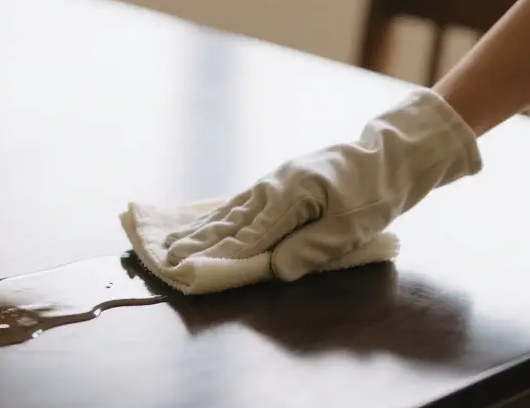
For most finishes, routine cleaning involves dust removal with a soft, dry or slightly damp cloth, followed by immediate drying. Strong solvents and abrasive cleaners are typically avoided. For oil- and wax-finished surfaces, compatible maintenance products are used to renew the protective layer periodically.
Periodic Inspection and Tightening
Furniture in regular use benefits from periodic inspection of joints, screws, and hardware. Loose connectors can be tightened, and worn glides or bumpers replaced. Identifying early signs of finish wear, such as dull areas or micro-cracks, allows for timely spot repairs before the substrate is exposed to moisture.
Environmental Control
For indoor wood furniture, maintaining moderate humidity and temperature helps minimize movement and checking. Avoiding prolonged proximity to heat sources, such as radiators or stoves, reduces localized drying. For outdoor items, seasonal storage or covering when not in use can significantly reduce weathering and extend the time between refinishing cycles.
Selection Guide for Wood Furniture
Choosing suitable wood furniture requires aligning material and construction characteristics with intended use, environment, and maintenance capacity.
Functional and Load Requirements
For heavy-duty use, such as frequently used dining tables or office workstations, higher-density woods or engineered panels with robust joinery are preferable. Load-bearing elements should show sufficient cross-sectional area, and connections should appear secure and mechanically reinforced.
Finish and Maintenance Expectations
High-gloss, dark finishes may show dust, fingerprints, and scratches more readily, while matte or textured finishes can conceal minor surface wear. For users prioritizing low maintenance, durable film-forming finishes or high-pressure laminates may be advantageous. Oil-finished pieces suit those comfortable with periodic re-oiling.
Indoor vs Outdoor Use Case
Indoor items can use a wider range of species and finishes, including those less resistant to moisture, as long as they are properly sealed. Outdoor selections should prioritize weather-resistant species, corrosion-resistant hardware, and finishes designed specifically for exterior conditions. Covering and storage options should be considered at the purchase stage for outdoor items.
| Use Scenario | Recommended Material | Preferred Finish Type | Key Considerations |
|---|---|---|---|
| High-use dining table | Hardwood (e.g., oak, maple) or high-quality plywood core with hardwood veneer | Durable polyurethane or equivalent clear coat | Resistance to abrasion, hot items, liquids, and frequent cleaning |
| Bedroom storage unit | Softwood or engineered panels with veneer or laminate | Clear or pigmented coating with moderate durability | Dimensional stability, drawer slide performance, smooth edges |
| Outdoor bench | Teak, acacia, or treated durable species | Exterior oil or weather-resistant clear/colored coating | Weather resistance, hardware corrosion resistance, periodic maintenance |
| Office workstation | Engineered panels (MDF, particleboard, or plywood) with laminate | High-pressure laminate or melamine surface | Impact and abrasion resistance, cable management, stable support |
Environmental and Resource Considerations
From a technical standpoint, wood furniture production incorporates resource efficiency and material utilization. Engineered wood products make use of smaller-diameter logs and residues, increasing yield from each harvested tree. Veneering allows thin slices of valuable species to be used across a larger surface area.
Adhesive systems and finishes are selected not only for performance but also for compliance with emission limits for volatile compounds. Labelling schemes and certification systems (where applicable) can provide information regarding wood origin and manufacturing practices, helping specifiers match furniture choices with internal environmental policies and procurement criteria.
Summary
Wood furniture performance is governed by the interplay of species selection, engineered wood usage, joint design, surface finishing, and environmental exposure. By considering mechanical properties, dimensional behavior, and maintenance requirements, users and specifiers can select furniture that meets functional demands and remains serviceable over an extended period. Understanding the technical characteristics outlined above supports informed decisions in design, procurement, and care of wooden furniture in both indoor and outdoor settings.